

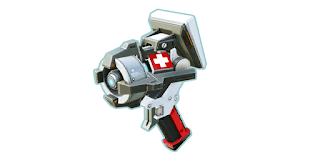
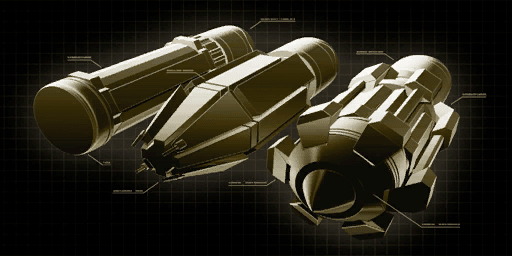
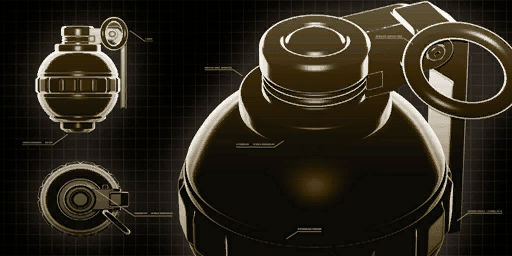
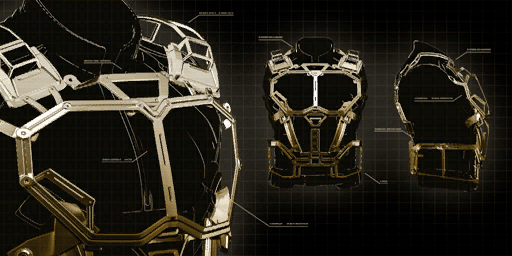


Covert Ops analysis. There is a lot covered on this page. Covert Ops is a big, ambitious system!

Breakthroughs analysis. Breakthroughs are a cool idea, one that has a nice impact even with the execution being a bit lackluster.
Sitreps analysis. Cool idea, kinda boring execution.

Fatigue analysis. One of War of the Chosen's most fantastic, well-tuned new systems, doing a shocking amount to change the game for the better in spite of relatively little direct impact on the tactical layer. Also one of its most opaque systems, with no in-game explanation; if you only read one page from this list, it should be this one.

Phobia analysis. A system that needs refinement, but still an impressively huge leap forward. I also briefly touch on base-game Panic mechanics, to contextualize what's changed.
Difficulty level analysis. Particularly focused on Legend, as it's a very different game. I also touch pretty heavily on the game invisibly cheating for you, and how to disable it.
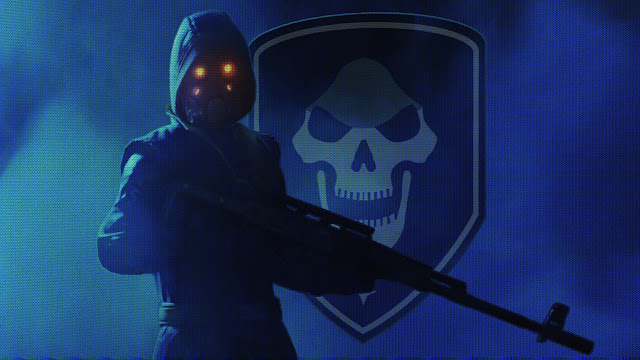
Reaper Resistance Orders analysis. I also lay out the basics of Resistance Orders as a whole here, as well as touch on Resistance Orders rounding out the character of the world.
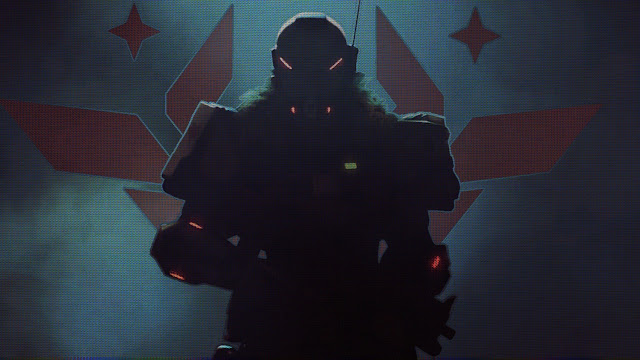
Skirmisher Resistance Orders analysis. I particularly delve into the narrative good Double Agent does, breaking from narratively problematic trends in a crucial way.
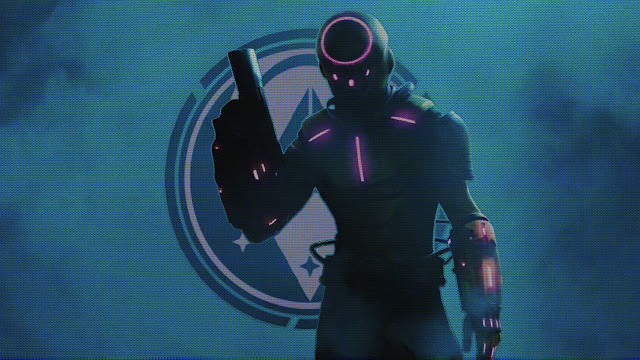
Templar Resistance Orders analysis. I also touch on injury recovery mechanics in some detail here, as well as delving a little into Legend seeming to be War of the Chosen's intended experience.
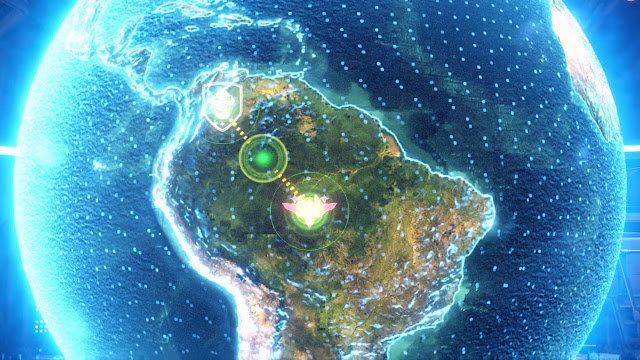
Continent bonuses analysis. This focuses on the base game continent bonuses, but I do provide a summary of which Resistance Orders can be continent bonuses in War of the Chosen. I also go over Geoscape mechanics a decent amount, including possible starting locations and some detail on connections.
Chosen strategic layer analysis. Knowledge, monthly actions, and Knowledge tier. A system that could've been better, but still has a decent amount of meat on its bones.
Enemies
Mostly by individual enemy, though I also cover overarching enemy mechanics at various points.

Overall intro to enemies. Mostly covering some of the subtle differences and their implications between how things worked broadly in Enemy Within vs how they work broadly in XCOM 2. Pods behave very differently when activating, for example.

ADVENT Trooper. Your mook enemy you encounter in huge numbers, particularly in the base game where they make up something crazy like a quarter of all enemies fought over the entire game. Well, before the final mission, anyway. I also touch on the general concept of tiers, since that's (largely) an ADVENT-specific concept.

ADVENT Officer. The most iconic pod leader. I also talk a lot about general AI priorities and behaviors, and go over reinforcement mechanics, including how they've changed in War of the Chosen.

Sectoid. The other early game pod leader, and one of the best-designed enemies of the game in myriad ways.

The Lost. Stereotypical apocalypse zombies, and yet somehow an extremely healthy, helpful addition to the game, albeit one that can be pretty frustrating to actually interact with.

ADVENT Stun Lancer. The most basic melee enemy of the game, and quite possibly the first one you'll encounter. In the base game, at least. Also probably the most frustrating melee enemy of the game, particularly in the base game.

Faceless. Your first Retaliation-exclusive enemy, and pretty unique in its role. I also discuss Retaliation missions in some detail, as well as civilian mechanics, including touching on some of their behavior outside Retaliation missions.

Purifier. Early War of the Chosen content, Purifiers are here to spray flames and toss fiery grenades. The latter is generally more worrying than the former.

ADVENT Priest. More early War of the Chosen content, and a bit of a mess. Definite positives to their design, but also a mess.

Viper. One of the weaker, more confusingly-designed elements of the base game, on multiple levels.

ADVENT Turret. Interesting from the perspective of looking under the hood of the game, unfortunately not so interesting to fight.

Codex. The first major plot-critical enemy, I like a lot of elements of it for various reasons, even with it having several wonky issues, both gameplay-wise and narratively. I also take the opportunity to lay out the 'complicator enemy' concept, which is something I allude to periodically throughout these pages.

ADVENT Mec. Probably your first proper robot enemy encounter in War of the Chosen, and still potentially so in the base game, with a fair amount of narrative strangeness attached and some janky gameplay design.

ADVENT General. A janky addition to the game, though I mostly end up talking about narrative decisions regarding ADVENT, both in the sense of the ADVENT government and in the sense of the troops on the ground you specifically shoot at. Also, why do these guys show up in sewers so much?

Basic Muton. I love their mechanics/gameplay changes, particularly in War of the Chosen, but find their aesthetic and narrative elements... confusing.

ADVENT Shieldbearer. Great gameplay pieces, strangely unclear narrative concept.

Muton Berserker. I remain deeply confused as to why the Berserker of all things returned, but especially why it returned in this exact form. Its design is distinctive and memorable, and in some sense I actually like it, but how we arrived here is deeply confusing to me.

Archon. A huge improvement over Floaters, an intriguing possible connection to Enforcer, all marred a little by: what species are these?

Spectre. My personal favorite addition to War of the Chosen, for a lot of reasons.

Chryssalid. The triumphant return of my least favorite alien, only now I... actually like it? Huh.

Andromedon. The Muton Elite of this game, but far more interesting and better-executed. And also not related to any other alien.

Sectopod. Sectopods return much-refined on a gameplay level, but much more narratively confused. Also, they're 2x2! Hooray!

Gatekeeper. The Cyberdisc's spiritual successor, much-refined and with intriguing suggestions of worldbuilding attached. Also, the game's ultimate regular enemy, where Cyberdiscs were a fairly early Big Threat.

Avatar. The culmination of the Avatar Project. Major spoilers, naturally.

Derelict Mec. The first of three enemies unique to Shen's Last Gift. Also covers the first map of the Lost Towers in detail, and touches on a surprising possible retcon that would be quite interesting if it's the intention.

Decaying Turret. The second of three enemies unique to Shen's Last Gift, though they're barely any different from ADVENT Turrets. This of course also touches on the second map of Lost Towers in detail.

Prototype Sectopod. The final Lost Towers-exclusive enemy, it's a stripped-down Sectopod... aside having dozens of HP and even more Armor. I also pretty heavily talk about Lost Towers' story, including the 'emotional core', as well as my fondness for Julian and assorted bits about Shen's Last Gift that probably most players have no idea exists, even the ones who have the DLC.

Neonate Viper. I also cover the Nest, of course, and get started on covering how I'm pretty sure Alien Hunters was originally meant to be something almost completely different from what we got.

Alien Ruler Mechanics Overview. In which I cover a bunch of Alien Ruler-specific mechanics, including their mission pacing, in-mission placement, and of course Ruler Reactions.

The Viper King. I also delve into more detail into what I suspect Alien Hunters was originally intended to be, as well as touch on a few universal truths of Alien Rulers that didn't make it into the Shared Mechanics page.

The Berserker Queen. The roughest, toughest, most generally dangerous Alien Ruler. I also touch a bit more on what Alien Hunters was probably meant to be, and how far removed from that what we got is.

The Archon King. Potentially hugely frustrating for a base-game Legend run, but rarely the roughest Alien Ruler in spite of showing up last. Not much to him, narratively, though.

Chosen Tactical Intro. How often Chosen spawn, how their unique turn mechanics actually work, the non-obvious feature of clock-stopping, and details on the more obvious special behaviors of summoning minions, Dazing troops, and sucking your soldiers Knowledge.

Chosen Weaknesses. Imperfect tuning and a Weakness that very much doesn't belong, but for a first stab at a newfangled concept this is one of the more solid bits of War of the Chosen, especially when you consider how it's tied up in so many other systems. That's quite the balancing act to manage.

Chosen Strengths. There's certainly Strengths that could've been handled better, but for such an ambitious system, I'm impressed it turned out as well as it did!

The Chosen Assassin. Not the best of intros to the Chosen in terms of game mechanics, but very good as an illustration of how awful the Ethereals are, and a fun and interesting challenge most of the time.

The Chosen Hunter. My favorite Chosen in everything but gameplay, where he's probably the weakest design. Also more discussion of how the Chosen are great at illustrating Ethereal awfulness.

The Chosen Warlock. The Chosen whose villainy most clearly shows us the awfulness of the Ethereals. Also the Chosen with the most unfinished, unused content!

Cut Chosen Content. Multiple Strengths and Weaknesses got substantially coded up but aren't used in the final product, and there's still further mechanics entirely unused. One of the better illustrators of War of the Chosen having been pushed out the door before it was really complete.
Strategic Stuff and Miscellany
The Geoscape, and stuff I'm not quite sure where to fit and didn't get to until pretty late anyway, like Hacking rewards.
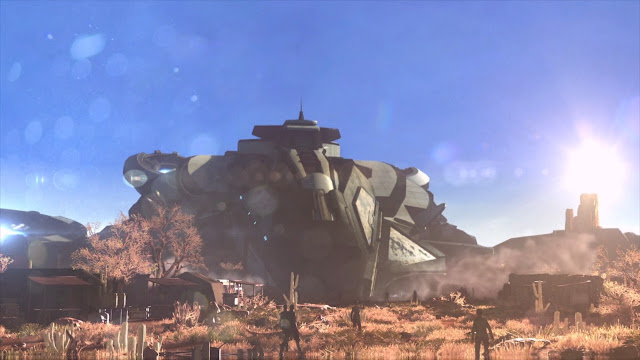
Avenger Facilities. The stuff you build into your flying base, the junk you clear out of your flying base, and the weirdness of how your flying base got handled by the game. I also talk a little about a few broader things, like XCOM 2's unfortunate tendency to make it hard for strategic RNG to do interesting things.
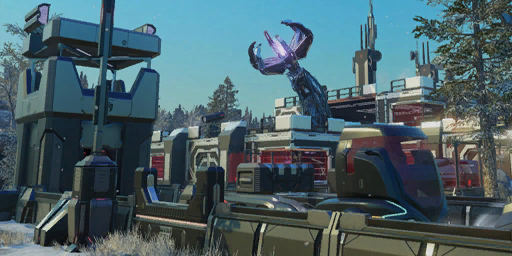
Map Overview. Plot types, biomes, and assorted mechanical implications and narrative suggestions of interest, as groundwork before we move into specific missions.
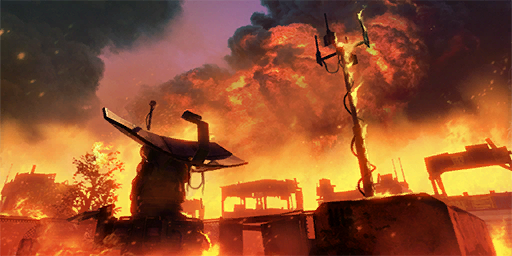
Retaliation missions. The return of Terror missions, but made less janky... until War of the Chosen provides a radically different, much cooler alternative. (Albeit one that has notable bugginess and some tuning issues) This is one of the more direct improvements over EU/EW's design, and a promising suggestion of where XCOM 3 might take its equivalent that will probably exist.
VIP/Resistance request missions. In some sense the return of Council requests, but in practice filling a very different set of design purposes. Also the most uneven of the mission sets, containing both some of the funnest, best-designed missions and some of the most miserable, this-should've-been-cut mission types.
Guerrilla Ops. The return of Abductions, but so radically changed as to be almost unrecognizable. Bizarrely, the mission set with the most consistent clashes between gameplay and narrative.
Supply Raids. The inheritor of downed and landed UFOs in terms of mechanical significance, including having a landed UFO variant, but with more strategic significance attached. The execution is rough at every step, unfortunately, but there's still important improvements happening: I look forward to seeing what XCOM 3's equivalent is like.
The Golden Path. The central plot chain missions. Naturally, this is particularly spoiler-dense. Not that I'm particularly skirting around spoilers in general, but hey.
Misc Base Game Missions. Tutorial Gatecrasher, non-Tutorial Gatecrasher, the Power Converter mission exclusive to Tutorial-enabled runs, Avatar Project Facilities, and Avenger Defense. (And I briefly touch on Lost Towers and the Nest) I also talk a bit about XCOM 2's progression in characterizing your support staff in a bit of a tangent.
Misc War of the Chosen missions. Lost And Abandoned, Chosen Strongholds, the Chosen version of the Avenger Defense, Ambushed Covert Ops, and the rescue of captured soldiers all get covered here. I also talk a lot about assorted narrative and game design benefits War of the Chosen subtly slips in.
Hacking: objectives and security towers. In which I finally get around to talking about Hacking in detail, in this case specifically the Hack effects found on security towers and objective Hacks.

Hacking: enemy units. In which I wrap up talking about Hacking, specifically covering usage of the Skulljack and of Haywire Protocol on Specialists. I also talk a bit about some nice things the design sneakily does with the Skulljack encounters.
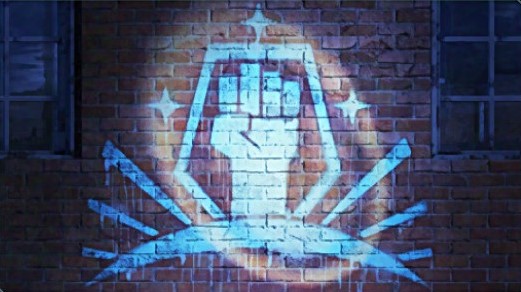
Rumors. In which I talk about the Rumors system, primarily as an excuse to draw attention to Rumor images.
And for the moment that's all I've got for XCOM 2.